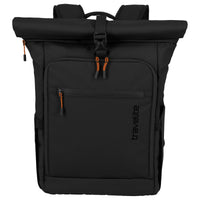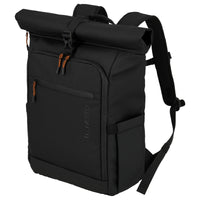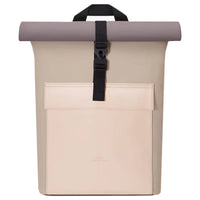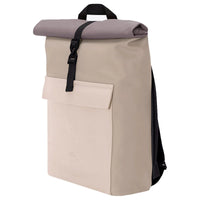











What is it and when is it worth it?
Roll-top backpacks are flexible, often water-resistant and, thanks to the roll-down opening, especially adaptable in volume. This guide explains the pros and cons, typical use cases, and gives you tips for buying — including product recommendations.
What is a roll-top backpack?
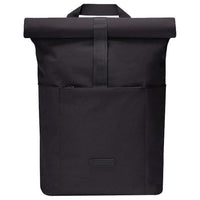
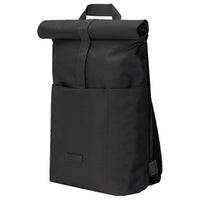
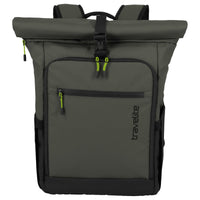
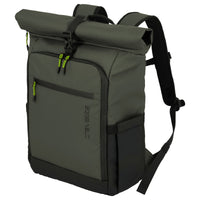
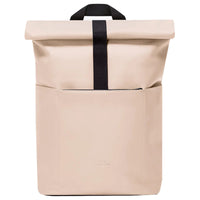
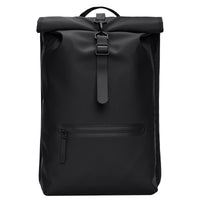
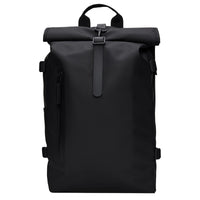
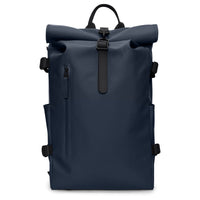
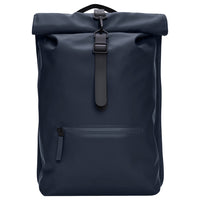
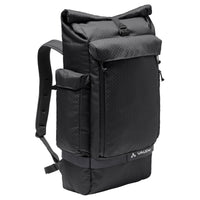
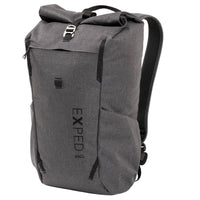
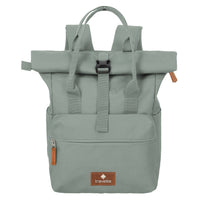
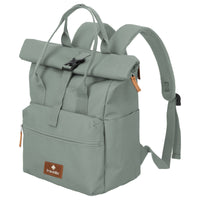
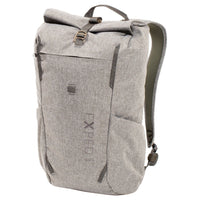
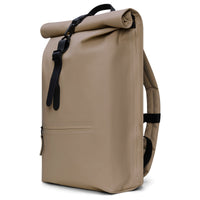
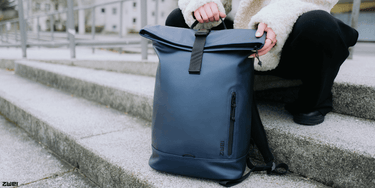
These backpacks stand out thanks to their closure system: the top is rolled down like a paper bag and then fastened shut. This allows the volume to be adjusted flexibly and better protects the contents from rain and splashes.
- Adjustable storage space
- Better rain protection
- Clean, streamlined look
- Easy packing of bulky or irregular items
Why are roll-top backpacks so popular?
The mix of functionality and minimalist design makes roll-tops popular in the city, at university and for leisure: they're durable for everyday use, often water-resistant, and offer more flexibility than classic daypacks thanks to the roll-closure system.
- Flexible volume: Pack more or roll the backpack down to be more compact.
- Weather protection: Roll-top designs reduce rain getting in at the opening.
- Minimalist design: Easy to pair with leisurewear, office attire, or cycling gear.
Who benefits most from a roll-top backpack?
Commuters & cyclists
Anyone cycling or facing unpredictable weather benefits from better splash protection and the sturdy shape.
Students & heavy packers
Flexible volume and a laptop compartment make roll-tops practical companions for lectures and everyday life.
Travellers & outdoor enthusiasts
As a lightweight daypack for hikes or city breaks, many appreciate the adjustable packing volume.
Buying tips: compartments, material, capacity & more
Before buying a roll-top backpack, check these criteria:
Compartments & organisation
- Padded laptop compartment (check the size: 13", 15", etc.)
- Outer pocket for keys/smartphone for quick access
- Side pockets for a water bottle
Material & weather protection
Look for coated or TPU-coated fabrics for better rain protection. Taped seams or waterproof zips add extra protection.
Capacity and fit
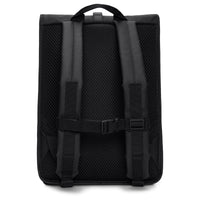
Typical capacities range between 15–30 litres for everyday use/commuting; 30+ litres are ideal for travel. Try out the straps and back padding — comfortable weight distribution is essential.
Extras
- Reflective details for cyclists
- USB charging port (handy, but check the internal organisation)
- Materials (recycled, bluesign, PFC-free)
Our recommendations

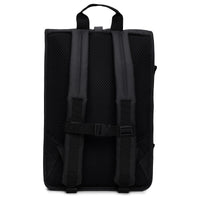
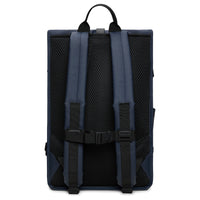
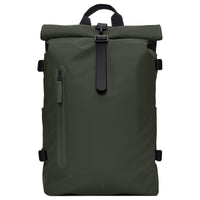
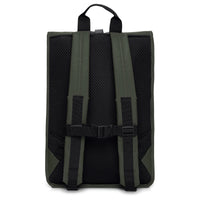
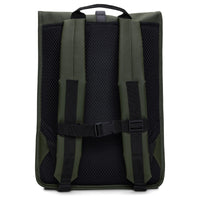
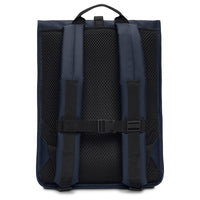
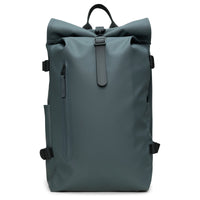
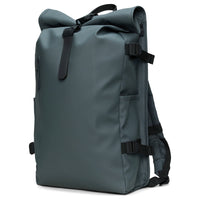
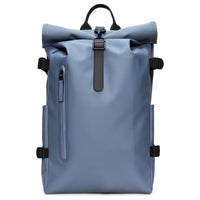
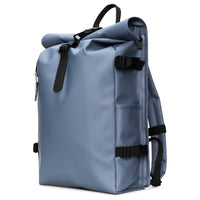
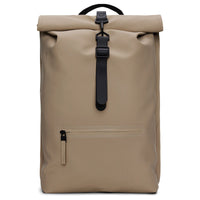
RAINS Roll-Top – Backpack

Sandqvist Konrad – Backpack

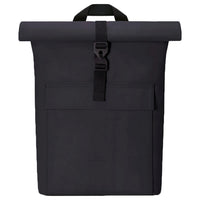
Ucon Acrobatics Hajo Mini Stealth Roll-Top
FAQ – Frequently asked questions
- Is a roll-top really waterproof?
- Many roll-tops offer good protection against splashes, but they're only fully waterproof if the seams are also taped and the zips are waterproof.
- How big should my roll-top be?
- For everyday use/university, 15–25 litres is plenty; if you pack a lot or travel often, choose 25–35+ litres. Note: back length and fit matter more than capacity alone.
- Are there roll-tops with a laptop compartment?
- Yes — many models feature padded laptop compartments (13", 15", etc.). Check the dimensions and padding.
- How do I care for a roll-top backpack?
- Clean gently by hand, don't tumble dry; a waterproofing spray can refresh water resistance — follow the manufacturer's instructions.
Conclusion
Roll-top backpacks are an excellent choice if you're after flexibility, weather protection and a clean design. Whether you're commuting, studying or travelling — the right model makes everyday life easier.